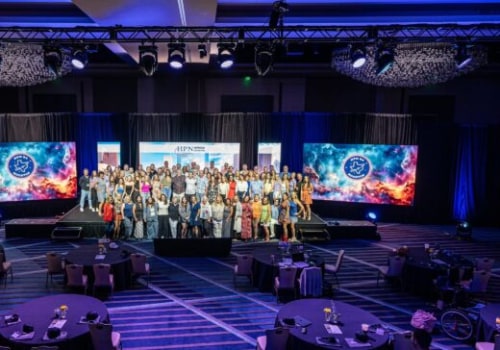
In the realm of event hosting, the significance of event promotion cannot be overstated. Whether you are organizing a corporate conference, a community festival, or a charity gala, effective promotion is the backbone that supports the entire event. It not only helps in attracting attendees but also builds anticipation and excitement around the occasion. Without a solid promotional strategy, even the most well-planned events can fall flat, failing to reach their intended audience. Understanding the importance of promoting events is essential for any host looking to maximize their impact.
A well-executed promotional campaign can enhance visibility, create buzz, and ultimately drive ticket sales or registrations. Moreover, it allows hosts to communicate their unique value proposition, ensuring that potential attendees understand what makes the event worth their time and investment. In today’s digital age, where information is abundant and attention spans are short, standing out requires strategic planning and creativity. As we delve deeper into this topic, we will explore various event hosting strategies that can elevate your promotional efforts. From leveraging social media platforms to utilizing email marketing and partnerships with local businesses, there are numerous avenues to explore.
Each method offers unique advantages that can cater to different audiences and event types. By understanding these strategies, you can craft a comprehensive promotion plan that not only attracts attendees but also fosters engagement and builds lasting relationships with your audience.
Identifying Your Target Audience
Understanding your target audience is crucial for successful event hosting. By identifying who your attendees are, you can tailor your promotional strategies to meet their needs and preferences. Here are some effective methods for audience segmentation:- Demographic Segmentation: Analyze factors such as age, gender, income level, and education.
This information helps you create targeted marketing messages that resonate with specific groups.
- Psychographic Segmentation: Consider the interests, values, and lifestyles of your potential attendees. Understanding what motivates them can guide your event theme and promotional content.
- Behavioral Segmentation: Look at past attendance records and engagement levels. Knowing how often individuals attend similar events can help you predict their likelihood of attending your event.
- Create Tailored Content: Develop marketing materials that speak directly to the interests and needs of each segment.
This could include personalized emails, social media posts, or targeted ads.
- Utilize Social Media: Different demographics prefer different platforms. Use insights from your audience analysis to choose the right channels for promotion.
- Gather Feedback: After the event, solicit feedback from attendees to refine your understanding of their preferences for future events.
Utilizing Social Media Platforms
In today's digital age, social media platforms have become essential tools for promoting events. With billions of users worldwide, these platforms offer unparalleled reach and engagement opportunities.Here are some effective strategies to leverage social media for your event promotion:
Choose the Right Platforms
Not all social media platforms are created equal when it comes to event promotion. Here are some of the best options:- Facebook: Ideal for creating event pages, sharing updates, and engaging with attendees through comments and messages.
- Instagram: Perfect for visually appealing content. Use stories and posts to showcase behind-the-scenes preparations or highlight key speakers.
- Twitter: Great for real-time updates and engaging with attendees using event-specific hashtags.
- LinkedIn: Best suited for professional events, allowing you to connect with industry leaders and promote networking opportunities.
Create Engaging Content
Your content should resonate with your target audience. Consider the following tips:- Visuals Matter: Use high-quality images and videos to capture attention.
Infographics can also be effective in conveying information quickly.
- Storytelling: Share stories about what inspired the event or testimonials from past attendees to create a personal connection.
- Interactive Posts: Encourage engagement through polls, quizzes, or contests related to your event.
Leverage Paid Advertising
If your budget allows, consider using paid advertising on social media. Platforms like Facebook and Instagram offer targeted advertising options that can help you reach specific demographics based on interests, location, and behavior. This can significantly increase your event's visibility and attract a larger audience.In conclusion, utilizing social media effectively can greatly enhance your event hosting efforts. By choosing the right platforms, creating engaging content, and leveraging paid advertising, you can maximize your event's reach and ensure its success.Creating an Engaging Event Website or Landing Page
In today's digital age, having a dedicated event website or landing page is crucial for successful event hosting.This platform serves as the central hub for all information related to your event, making it easier for potential attendees to find details and register.
Key Design Elements
Your event website should be visually appealing and user-friendly. Consider the following design elements:- Responsive Design: Ensure your site is mobile-friendly, as many users will access it via smartphones.
- Clear Navigation: Use a simple menu structure that allows visitors to find information quickly.
- Engaging Visuals: Incorporate high-quality images and videos that capture the essence of your event.
- Call-to-Action Buttons: Include prominent buttons for registration, ticket purchase, or more information.
Essential Information to Include
Your event page should provide all necessary details to encourage attendance. Make sure to include:- Date and Time: Clearly state when the event will take place.
- Location: Provide the venue address and any relevant maps or directions.
- Agenda: Outline the schedule of activities or speakers to give attendees an idea of what to expect.
- Registration Details: Explain how attendees can sign up, including any costs involved.
- Contact Information: Offer a way for potential attendees to reach out with questions.
Optimizing for SEO
To ensure your event page reaches a wider audience, it's essential to optimize it for search engines. Here are some tips:- Keyword Integration: Use relevant keywords like "event hosting," "event website design," and "landing page for events" throughout your content.
- Meta Tags: Write compelling meta titles and descriptions that include your primary keywords.
- Alt Text for Images: Use descriptive alt text for images to improve visibility in image searches.
- Internal Linking: Link to other relevant pages on your site to enhance user experience and SEO value.
Email Marketing Strategies for Event Promotion
Email marketing is a powerful tool for event hosting, allowing you to reach your audience directly and effectively.To maximize your event promotion efforts, consider the following strategies:
Building an Email List
The first step in any successful email marketing campaign is to build a robust email list. Here are some effective ways to grow your list:- Offer Incentives: Encourage sign-ups by offering exclusive content, discounts, or early bird tickets.
- Utilize Social Media: Promote your email sign-up form on your social media platforms to attract followers.
- Leverage Existing Contacts: Import contacts from previous events or partnerships, ensuring you have permission to email them.
Crafting Compelling Messages
Your email content should be engaging and informative. Here are some tips for crafting messages that resonate with your audience:- Personalization: Use the recipient's name and tailor content based on their interests or past attendance.
- Clear Call-to-Action: Make it easy for recipients to register or learn more about the event with prominent buttons or links.
- Visually Appealing Design: Use images, colors, and layouts that reflect the theme of your event to capture attention.
Segmenting Your Audience
Not all attendees are the same; segmenting your audience can lead to more effective campaigns. Consider these segmentation strategies:- Demographics: Group contacts by age, location, or profession to tailor messages accordingly.
- Past Engagement: Segment based on previous event attendance or interaction with past emails.
- Interests: Identify specific interests related to your event and create targeted campaigns that speak directly to those interests.
Leveraging Influencer Partnerships
In today's digital landscape, influencer marketing has emerged as a powerful tool for promoting events.By partnering with influencers who resonate with your target audience, you can significantly enhance your event's visibility and credibility.
Finding the Right Influencers
- Identify Your Audience: Understand who your target attendees are and what platforms they frequent. This will help you select influencers who align with your event's theme and audience demographics.
- Research Influencers: Look for influencers who have a genuine connection to your event's niche. Analyze their engagement rates, follower count, and content style to ensure they can effectively communicate your message.
- Check Authenticity: Ensure that the influencers you consider have an authentic following. Tools like social media analytics can help you assess their engagement and reach.
Creating Mutually Beneficial Partnerships
- Offer Value: When reaching out to influencers, present them with clear benefits for collaborating.
This could include free tickets, exclusive access, or promotional opportunities that align with their brand.
- Collaborative Content: Work with influencers to create engaging content that showcases your event. This could be in the form of live streams, behind-the-scenes footage, or personal testimonials that highlight what attendees can expect.
- Leverage Multiple Platforms: Encourage influencers to promote your event across various platforms—Instagram, TikTok, YouTube, and blogs—to maximize reach and engagement.
By carefully selecting influencers and crafting partnerships that benefit both parties, you can effectively broaden your reach and enhance the overall success of your event.
Utilizing Traditional Marketing Methods
In an era dominated by digital marketing, traditional marketing methods still hold significant value, especially for event hosting. These methods can effectively reach local audiences and create a tangible presence that online strategies may lack.Print Advertising
One of the most effective traditional marketing techniques is print advertising. This includes flyers, posters, brochures, and local newspaper ads. Here are some key points to consider:- Targeted Distribution: Place flyers in high-traffic areas relevant to your event, such as community centers, cafes, and libraries.
- Visual Appeal: Use eye-catching designs and clear messaging to attract attention.
Ensure that your event details are easy to read and understand.
- Local Newspapers: Consider advertising in local publications that cater to your target demographic. This can enhance credibility and reach.
Community Outreach
Community outreach is another powerful tool for promoting events. Engaging with the community can foster goodwill and encourage attendance. Here are some effective strategies:- Partnerships: Collaborate with local businesses or organizations that align with your event's theme.
They can help promote your event through their networks.
- Networking Events: Attend local gatherings or fairs to promote your event directly to potential attendees. Personal interactions can create a lasting impression.
- Community Boards: Utilize community bulletin boards in public spaces to post information about your event. This grassroots approach can effectively reach those who may not be active online.
Engaging Content Creation and Storytelling
In the realm of event hosting, creating engaging content and compelling narratives is essential for capturing the attention of potential attendees. Storytelling not only enhances the promotional material but also builds a connection with your audience, making them more likely to participate in your event.1.Craft a Compelling Narrative
- Identify the core message of your event.
What is its purpose? Who will benefit from attending?
- Weave this message into a story that resonates with your target audience. Use relatable characters, challenges, and resolutions to make it engaging.
- Consider using testimonials or case studies from past events to illustrate the impact and value of attending.
2.Utilize Various Content Formats
- Videos: Create short promotional videos that highlight key aspects of the event, such as speakers, activities, or unique experiences.
- Blog Posts: Write articles that delve deeper into topics related to your event, providing valuable insights while subtly promoting the event itself.
- Social Media Posts: Share behind-the-scenes content, countdowns, and interactive polls to engage your audience and build excitement.
3.Encourage User-Generated Content
- Invite past attendees to share their experiences through photos or stories on social media. This not only promotes your event but also builds community.
- Create a unique hashtag for your event to track and encourage conversations online.
Measuring Success: Analytics and Feedback
Measuring the success of your event hosting efforts is crucial for understanding what worked and what didn’t.By utilizing analytics tools and gathering feedback from attendees, you can gain valuable insights that will inform your future promotional strategies.
Utilizing Analytics Tools
There are several analytics tools available that can help you track the performance of your event promotions:- Google Analytics: This tool allows you to monitor website traffic, user behavior, and conversion rates. By setting up specific goals related to your event, you can see how many visitors registered or purchased tickets.
- Social Media Insights: Platforms like Facebook, Instagram, and Twitter provide analytics on engagement rates, reach, and demographics of your audience. This data can help you understand which platforms were most effective in promoting your event.
- Email Marketing Metrics: If you used email campaigns to promote your event, track open rates, click-through rates, and conversion rates to gauge the effectiveness of your messaging.
Gathering Attendee Feedback
In addition to quantitative data from analytics tools, qualitative feedback from attendees is essential for measuring success:- Post-Event Surveys: Send out surveys after the event to gather insights on attendee satisfaction, what they enjoyed most, and areas for improvement. Tools like SurveyMonkey or Google Forms can facilitate this process.
- Social Media Monitoring: Keep an eye on social media mentions and comments about your event.
Engaging with attendees online can provide real-time feedback and foster community.
- Net Promoter Score (NPS): This simple metric asks attendees how likely they are to recommend your event to others. A high NPS indicates a successful event experience.
Conclusion: Key Takeaways for Successful Event Promotion
In conclusion, promoting an event effectively requires a multi-faceted approach that leverages various strategies to reach your target audience. Here are the key takeaways to ensure your event hosting efforts are successful:- Utilize Social Media: Platforms like Facebook, Instagram, and Twitter are invaluable for creating buzz around your event.
Regular updates, engaging content, and targeted ads can significantly increase visibility.
- Email Marketing: Build a mailing list and send out newsletters to keep potential attendees informed. Personalize your messages to enhance engagement and encourage registrations.
- Collaborate with Influencers: Partnering with local influencers or industry leaders can help you tap into their audience, providing a wider reach and adding credibility to your event.
- Create Compelling Content: Develop blog posts, videos, or podcasts related to your event theme. This not only promotes the event but also positions you as an authority in the field.
- Leverage Event Platforms: Use platforms like Eventbrite or Meetup to list your event. These sites have built-in audiences looking for events to attend.
- Engage with Local Communities: Connect with local organizations or groups that align with your event's purpose.
They can help spread the word through their networks.