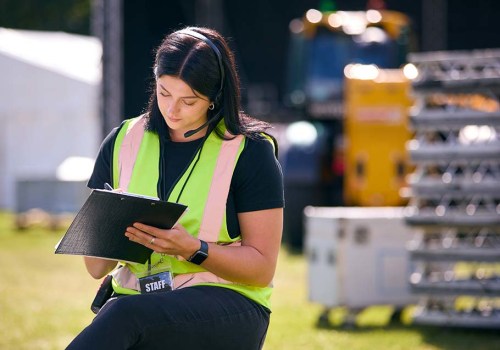
In the realm of event hosting, the difference between a successful gathering and a chaotic experience often hinges on one crucial factor: preparedness. Whether you are organizing a corporate conference, a wedding, or a community festival, the ability to anticipate and address potential challenges can significantly influence the overall outcome. Unexpected issues can arise at any moment, from technical difficulties with audio-visual equipment to last-minute changes in venue or guest attendance. Understanding the importance of being prepared is essential for any event planner aiming to create a seamless experience. Preparedness goes beyond simply having a checklist; it involves a proactive approach to event planning.
This means not only identifying possible risks but also developing contingency plans that can be swiftly implemented when issues arise. For instance, having backup equipment on hand or an alternative venue ready can save an event from disaster. By fostering a culture of readiness, event hosts can navigate unforeseen circumstances with confidence and poise. Moreover, being prepared instills a sense of calm among your team and attendees alike. When everyone knows there is a plan in place to handle unexpected issues, it allows for a more enjoyable atmosphere where guests can focus on the purpose of the event rather than worrying about potential hiccups.
In this article, we will delve deeper into effective strategies for managing unexpected challenges during events, ensuring that your hosting experience is not only memorable but also resilient against the unpredictable nature of live gatherings.
Common Unexpected Issues in Event Hosting
When it comes to event hosting, unexpected issues can arise at any moment, potentially derailing even the best-laid plans. Being aware of these common challenges can help you prepare and respond effectively.- Technical Failures: One of the most frequent issues is technical malfunctions. This can include anything from audio-visual equipment not working to Wi-Fi connectivity problems. Always have a backup plan, such as extra equipment or a tech support team on standby.
- Weather Changes: For outdoor events, weather can be unpredictable.
Rain, wind, or extreme temperatures can affect attendance and comfort levels. Consider having a contingency plan, like a tent or an indoor venue option, to ensure the event can proceed smoothly regardless of weather conditions.
- Vendor No-Shows: Another common issue is vendors failing to show up or deliver on time. This could be caterers, decorators, or entertainment providers. Establish clear contracts with penalties for no-shows and maintain open communication leading up to the event to confirm their attendance.
- Attendee Issues: Sometimes, guests may have special needs or unexpected emergencies.
Be prepared with first aid kits and ensure your staff is trained to handle various situations, from medical emergencies to accommodating dietary restrictions.
Developing a Contingency Plan
When it comes to event hosting, having a well-thought-out contingency plan is essential for navigating unexpected issues. A contingency plan serves as a roadmap, guiding you through potential challenges that could disrupt your event. Here are some key strategies to consider when developing your plan:- Identify Potential Risks: Begin by conducting a thorough risk assessment. Consider factors such as weather conditions, technical failures, and vendor reliability.
By identifying these risks early, you can create targeted solutions.
- Establish Backup Resources: Always have backup options in place. This could include alternative venues, additional equipment, or extra staff members who can step in if needed. For instance, if your primary speaker cancels, having a list of qualified substitutes can save the day.
- Create a Communication Plan: In the event of an issue, clear communication is vital. Develop a communication strategy that outlines how you will inform attendees, staff, and vendors about any changes or updates.
This ensures everyone is on the same page and can act swiftly.
- Test Your Plan: Before the event, conduct a rehearsal to test your contingency measures. This practice run will help identify any gaps in your plan and allow you to make necessary adjustments.
Effective Communication Strategies During an Event
Effective communication is crucial when managing unexpected issues during an event. Whether it’s a sudden change in the schedule, a vendor delay, or an unforeseen crisis, how you communicate can significantly impact the overall experience for attendees and the success of the event.Establish Clear Communication Channels
- Before the event, set up dedicated communication channels for your team, such as group messaging apps or walkie-talkies.
This ensures that everyone can quickly share updates and coordinate responses.
- Designate a point person for each area of responsibility. This helps streamline communication and reduces confusion during critical moments.
Maintain Transparency with Attendees
- In the event of an issue, promptly inform attendees about what is happening. Use clear and concise language to explain the situation and any steps being taken to resolve it.
- Utilize multiple platforms to reach your audience—consider announcements via PA systems, social media updates, or text alerts to ensure everyone is informed.
Practice Crisis Communication
- Prepare a crisis communication plan in advance. This should include key messages, potential scenarios, and designated spokespersons who can address the media or attendees.
- Train your staff on how to handle inquiries and provide them with the necessary information to reassure attendees during a crisis.
Follow Up After the Event
- After resolving any issues, follow up with attendees to thank them for their understanding and provide updates on how similar situations will be handled in the future.
- This not only helps rebuild trust but also shows that you value their experience and feedback.
Real-Time Problem Solving Techniques
When hosting an event, unexpected issues can arise at any moment, and having effective real-time problem solving techniques is crucial for successful event management.Here are some strategies to help you navigate challenges as they occur:
- Stay Calm and Assess the Situation: The first step in addressing any issue is to remain calm. Take a moment to assess the situation thoroughly. Understanding the problem will allow you to make informed decisions quickly.
- Prioritize Issues: Not all problems require immediate attention. Identify which issues are critical and prioritize them based on their impact on the event.
This will help you allocate resources effectively.
- Empower Your Team: Ensure that your team members are trained to handle unexpected situations. Empower them to make decisions within their areas of responsibility, which can lead to faster resolutions.
- Utilize Technology: Leverage technology for real-time communication and updates. Tools like messaging apps or event management software can facilitate quick information sharing among team members.
- Have Backup Plans: Always prepare for the unexpected by having contingency plans in place. Whether it’s a backup venue, additional supplies, or alternative speakers, being prepared can significantly reduce stress during an event.
Regularly reviewing past events and their challenges can provide valuable insights into potential issues and how to address them in the future.Ultimately, the key to handling unexpected issues during an event lies in your ability to adapt quickly and maintain a positive attitude. By implementing these techniques, you can ensure that your event runs smoothly, even when faced with unforeseen challenges.
Leveraging Technology for Issue Management
In the fast-paced world of event hosting, unexpected issues can arise at any moment, making it crucial to have effective solutions in place. Leveraging technology can significantly enhance your ability to manage these challenges efficiently.One of the most valuable tools in modern event management is dedicated event management software. These platforms often come equipped with features that facilitate real-time communication among team members, vendors, and attendees.For instance, using a centralized communication tool allows for instant updates and alerts, ensuring that everyone is on the same page when an issue arises.Additionally, many event management software solutions offer:
- Incident Reporting Tools: These allow staff to quickly log issues as they occur, providing a clear record that can be referenced later.
- Task Management Features: Assigning tasks to team members in real-time helps ensure that problems are addressed promptly.
- Analytics and Reporting: Post-event analysis can help identify recurring issues, allowing for better preparation in future events.
By investing in the right tools and software, you can ensure that your events run smoothly, even when faced with unforeseen circumstances.
Post-Event Review: Learning from Challenges Faced
Conducting a post-event review is crucial for any event hosting endeavor, especially when unexpected issues arise. This process allows organizers to reflect on the challenges faced and evaluate the effectiveness of their responses. By analyzing these experiences, event planners can identify areas for improvement and enhance future events.During the post-event review, consider the following steps:- Gather Feedback: Collect insights from attendees, staff, and vendors. Surveys can be an effective tool to gauge perceptions of how issues were handled.
- Identify Key Challenges: Document specific problems that occurred during the event.
Were there technical difficulties? Did any logistical issues arise? Understanding the nature of these challenges is essential.
- Evaluate Responses: Analyze how your team responded to each issue. Was the response timely and effective? Did it mitigate the problem or exacerbate it?
- Discuss Lessons Learned: Hold a debriefing session with your team to discuss what worked and what didn’t. Encourage open dialogue to foster a culture of continuous improvement.
- Create an Action Plan: Based on the insights gathered, develop a plan to address identified weaknesses. This may include additional training for staff, improved communication protocols, or enhanced contingency plans.
Each event is a learning opportunity; embracing this mindset will lead to more polished and professional events down the line.In conclusion, a thorough post-event analysis is not just about identifying what went wrong but also about celebrating what went right. By focusing on both aspects, you can create a balanced approach that enhances your overall event hosting strategy.
FAQs About Handling Unexpected Issues During Events
When it comes to event hosting, unexpected issues can arise at any moment. Here are some frequently asked questions that can help you navigate these challenges effectively.What should I do if a vendor cancels last minute?
If a vendor cancels unexpectedly, first, stay calm and assess your options. Reach out to your backup vendors if you have them on hand.If not, consider local alternatives that can provide the same service. Always have a list of reliable contacts ready before the event.
How can I handle technical difficulties during the event?
Technical issues can disrupt the flow of your event. To mitigate this, ensure you have a technical support team on-site or on-call. Test all equipment before the event starts, and have backup solutions available, such as extra microphones or projectors.What if there is bad weather affecting an outdoor event?
For outdoor events, always have a contingency plan in place.This could include securing a tent or having an indoor venue as a backup. Communicate with your guests about any changes promptly to keep everyone informed.
How do I manage guest complaints during the event?
Addressing guest complaints swiftly is crucial for maintaining a positive atmosphere. Train your staff to listen actively and respond empathetically. If possible, resolve the issue on the spot or offer a follow-up solution after the event.What are some common unexpected issues I should prepare for?
- Last-minute cancellations from speakers or performers
- Food shortages or dietary restrictions not being met
- Transportation issues for guests or vendors
- Unexpected costs arising from additional services needed
Conclusion: Embracing Flexibility and Preparedness in Event Hosting
In conclusion, navigating the complexities of event hosting requires a delicate balance of flexibility and preparedness.As we have explored throughout this article, unexpected issues can arise at any moment, and how you respond to these challenges can significantly impact the success of your event.To effectively manage unforeseen circumstances, it is essential to:
- Anticipate potential problems: Conduct thorough risk assessments during the planning phase. Identify areas that may pose challenges and develop contingency plans.
- Stay adaptable: Embrace a mindset that welcomes change. Being open to adjusting your plans on the fly can lead to innovative solutions that enhance the event experience.
- Communicate clearly: Ensure that all team members are informed about their roles and responsibilities. Open lines of communication can facilitate quick decision-making when issues arise.
- Maintain a positive attitude: Your demeanor sets the tone for your team and attendees.
A calm and collected approach can help diffuse tension and foster a collaborative environment.