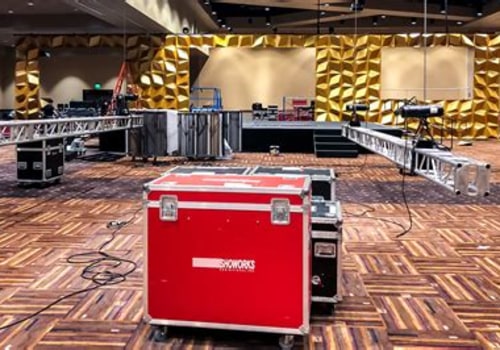
Event hosting is a multifaceted endeavor that requires meticulous planning and execution. From corporate conferences to weddings, the intricacies involved in event management can be overwhelming. Each event is unique, presenting its own set of challenges and opportunities. Understanding the fundamentals of event hosting is crucial for anyone looking to create memorable experiences that resonate with attendees. The importance of event planning cannot be overstated.
A well-structured plan not only outlines the logistics but also anticipates potential hurdles that may arise during the event. This foresight is essential in ensuring that everything runs smoothly, from venue selection to catering and entertainment. However, despite the best-laid plans, unforeseen circumstances can disrupt even the most carefully organized events. This is where the significance of having a backup plan comes into play. A contingency strategy acts as a safety net, allowing event hosts to pivot quickly in response to unexpected challenges.
Whether it’s inclement weather for an outdoor gathering or a last-minute speaker cancellation, being prepared with alternatives can mean the difference between a successful event and a chaotic one. As we delve deeper into the world of event hosting, it becomes clear that embracing flexibility and preparedness is key to achieving success.
Why Backup Plans Are Essential for Events
In the realm of event hosting, the significance of having a backup plan cannot be overstated. Events are inherently unpredictable, and even the most meticulously planned occasions can encounter unforeseen challenges. A well-structured backup plan serves as a safety net, ensuring that the event can proceed smoothly despite any hiccups.Importance of Backup Plans
- Mitigating Risks: Events can face various risks, from inclement weather to technical failures.
A comprehensive backup plan allows event organizers to address these issues promptly, minimizing disruption.
- Maintaining Guest Experience: When unexpected situations arise, the primary goal is to maintain a positive experience for attendees. Backup plans help ensure that guests remain engaged and satisfied, regardless of any changes that may occur.
- Enhancing Credibility: Organizers who are prepared for contingencies demonstrate professionalism and reliability. This enhances their reputation and can lead to increased trust from clients and attendees alike.
- Risk Assessment: Evaluate all aspects of the event, including venue, weather conditions, and technology.
- Developing Alternatives: Create alternative plans for key elements such as location, speakers, or activities.
- Communication Strategies: Establish clear communication channels to inform attendees about any changes swiftly.
By anticipating potential issues and preparing solutions in advance, organizers can navigate challenges with confidence. This proactive approach not only safeguards the event's success but also fosters a culture of preparedness that can benefit future events.In conclusion, having a backup plan is not just an option; it is a necessity in the world of event hosting. By prioritizing contingency planning and risk management, organizers can ensure that their events are resilient and capable of adapting to whatever challenges may arise.
Common Risks in Event Hosting
When it comes to event hosting, understanding the potential risks is crucial for ensuring a successful outcome. Various challenges can arise, and being prepared for them can make all the difference. One of the most significant risks is weather-related issues.Outdoor events are particularly vulnerable to sudden changes in weather, such as rain, wind, or extreme temperatures. Having a backup venue or a contingency plan for shelter can help mitigate these risks. Another common challenge is vendor cancellations. Whether it's a caterer, speaker, or entertainment provider, last-minute cancellations can disrupt the entire event. Establishing relationships with multiple vendors and having a list of reliable alternatives can provide peace of mind.
Technical failures
also pose a considerable risk during events.This includes issues with sound systems, lighting, or presentation equipment. To combat this, it's essential to conduct thorough equipment checks before the event and have technical support on standby. Additionally, logistical challenges, such as transportation delays or venue accessibility issues, can arise unexpectedly. Planning for these scenarios by coordinating with transportation services and ensuring clear signage at the venue can help alleviate potential problems. In summary, recognizing these common risks in event planning allows hosts to create effective backup plans. By preparing for weather issues, vendor cancellations, technical failures, and logistical challenges, event organizers can enhance their resilience and ensure a smoother experience for all attendees.
Components of an Effective Backup Plan
Creating a robust backup plan is essential for successful event hosting.A well-structured contingency strategy can mitigate risks and ensure that your event runs smoothly, even when unexpected challenges arise. Here are the key components to consider when developing an effective backup plan:
- Risk Assessment: Begin by identifying potential risks that could impact your event. This includes everything from weather-related issues to technical failures. Understanding these risks allows you to prioritize which areas need the most attention.
- Alternative Venues: Always have a list of alternative venues ready.
If your primary location becomes unavailable, having a backup venue can save the day. Ensure these venues meet your event's requirements and are easily accessible.
- Vendor Contingencies: Establish relationships with multiple vendors for critical services such as catering, audio-visual equipment, and transportation. This way, if one vendor falls through, you have others to rely on.
- Communication Plan: Develop a clear communication strategy to inform attendees, staff, and vendors about any changes or emergencies. This should include contact lists and methods for disseminating information quickly.
- Emergency Procedures: Outline specific procedures for various emergency scenarios, such as medical emergencies or natural disasters.
Ensure that all staff members are trained on these procedures.
Case Studies: Successful Backup Plans in Action
Implementing a backup plan can be the difference between a successful event and a complete disaster. Here are some compelling case studies that highlight the importance of having contingency strategies in place.Case Study 1: The Outdoor Music Festival
In 2022, a popular outdoor music festival faced unexpected heavy rain just hours before the gates opened. The event organizers had anticipated potential weather issues and had a backup plan ready.They quickly moved the main stage to a covered area and set up additional tents for attendees. As a result, the festival proceeded with minimal disruption, and attendees praised the organizers for their quick thinking and adaptability.
Case Study 2: Corporate Conference
A corporate conference scheduled for a major hotel was threatened by a last-minute venue cancellation due to unforeseen circumstances. The event planners had previously identified alternative venues and secured preliminary agreements with them. Within hours, they successfully relocated the conference to a nearby facility that met all requirements.This swift action not only saved the event but also enhanced the reputation of the organizing team for their professionalism and preparedness.
Case Study 3: Wedding Reception
A couple planning an outdoor wedding reception had a detailed backup plan in case of inclement weather. They rented a nearby indoor venue as an alternative and communicated this option to guests ahead of time. On the day of the wedding, rain forced them to execute their backup plan seamlessly. Guests appreciated the smooth transition, allowing everyone to enjoy the celebration without stress.These examples illustrate that having a well-thought-out backup plan not only mitigates risks but also enhances overall event success.By preparing for potential challenges, event hosts can ensure that their events run smoothly, regardless of unforeseen circumstances.
FAQs About Backup Plans in Event Hosting
When it comes to event hosting, having a backup plan is crucial. Here are some frequently asked questions that can help clarify the importance of these plans:What is a backup plan in event hosting?
A backup plan is a strategy designed to address potential issues that may arise during an event. This could include alternative venues, different catering options, or contingency measures for inclement weather. The goal is to ensure that the event can proceed smoothly, regardless of unforeseen circumstances.Why is a backup plan necessary?
Events can be unpredictable.Factors such as weather changes, vendor cancellations, or technical difficulties can disrupt even the best-laid plans. A well-thought-out backup plan minimizes stress and ensures that the event remains enjoyable for attendees.
What should be included in a backup plan?
- Alternative venues: Identify locations that can accommodate your event if the original site becomes unavailable.
- Vendor contacts: Have a list of backup vendors for catering, entertainment, and equipment rental.
- Weather contingencies: For outdoor events, consider options like tents or indoor spaces.
- Communication strategies: Plan how to inform guests about any changes promptly.
How can I prepare for unexpected situations?
Preparation is key. Conduct a thorough risk assessment before the event to identify potential challenges. Regularly communicate with your team and vendors to ensure everyone is aware of the backup plans.Additionally, consider conducting a rehearsal to test your contingency measures.
What are common mistakes when creating a backup plan?
- Not planning ahead: Waiting until the last minute can lead to inadequate solutions.
- Overlooking details: Failing to account for all aspects of the event can leave gaps in your plan.
- Poor communication: Ensure all stakeholders are informed about the backup plan and their roles within it.
Conclusion: The Takeaway on Backup Plans for Events
In conclusion, the significance of having a backup plan for event hosting cannot be overstated. Throughout this article, we have explored various aspects of contingency planning, emphasizing that unforeseen circumstances can arise at any moment. Whether it’s inclement weather, technical difficulties, or unexpected venue changes, a well-thought-out backup plan ensures that your event can proceed smoothly despite these challenges.To recap, here are the key points that highlight the importance of backup plans:- Risk Mitigation: A solid backup plan helps to identify potential risks and outlines strategies to mitigate them, reducing stress for both organizers and attendees.
- Enhanced Flexibility: Events are dynamic; having alternatives ready allows you to adapt quickly to changing circumstances without compromising the overall experience.
- Increased Confidence: Knowing that you have a contingency plan in place boosts your confidence as an event host, allowing you to focus on delivering a memorable experience.
- Positive Reputation: Successfully managing unexpected situations enhances your reputation as a reliable event planner, encouraging future business opportunities.
Take the time to assess potential risks and develop comprehensive backup strategies. This proactive approach not only safeguards your event but also elevates the overall experience for everyone involved. Remember, a successful event is not just about what happens on the day; it’s about how well you prepare for the unexpected.