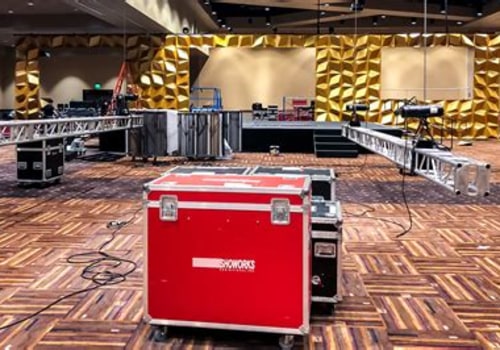
When it comes to event hosting, understanding event logistics is crucial for ensuring a seamless experience for both organizers and attendees. Event logistics encompasses all the behind-the-scenes activities that contribute to the successful execution of an event, from the initial planning stages to the final breakdown. This includes everything from venue selection and layout design to equipment rental and staffing. Without a solid grasp of these logistics, even the most well-intentioned events can quickly spiral into chaos. One of the key components of event planning is the setup and breakdown process.
These phases are often overlooked but are essential for creating an environment that is not only functional but also inviting. During setup, careful attention must be paid to the arrangement of seating, staging, and audiovisual equipment, ensuring that everything aligns with the event's goals and theme. Conversely, the breakdown phase requires meticulous coordination to dismantle setups efficiently while minimizing disruption and ensuring that all rented items are returned in good condition. In this section, we will delve deeper into the intricacies of event logistics, focusing specifically on how effective setup and breakdown strategies can enhance the overall success of your event. By mastering these logistical elements, you can elevate your event hosting skills and create memorable experiences that resonate with your audience long after the event concludes.
Planning for Event Setup
When it comes to event hosting, meticulous planning for event setup is crucial to ensure a seamless experience for both organizers and attendees.The first step in this process is to create a comprehensive logistics checklist that outlines all necessary components for the event.
- Venue Requirements: Assess the venue's layout, capacity, and facilities. Consider factors such as accessibility, power sources, and internet connectivity. Make sure to confirm any restrictions or guidelines set by the venue management.
- Equipment and Supplies: List all equipment needed, including audio-visual gear, seating arrangements, and staging. Don’t forget about supplies like signage, registration materials, and promotional items.
- Vendor Coordination: Communicate with all vendors well in advance.
This includes caterers, decorators, and technical support teams. Establish clear timelines for delivery and setup to avoid last-minute surprises.
This allows you to visualize the setup and make any necessary adjustments ahead of time. During this walkthrough, confirm that all logistical elements align with your event goals.Finally, on the day of the event, arrive early to oversee the setup process. This will give you ample time to troubleshoot any unexpected challenges and ensure that everything is in place before guests arrive. By following these steps in your event setup planning, you can create a well-organized environment that enhances the overall experience of your attendees.
Key Components of Event Setup
When it comes to event hosting, understanding the key components of event setup is crucial for ensuring a seamless experience for both organizers and attendees.Proper planning and execution can significantly impact the overall success of the event.
Equipment Needs
Identifying the right equipment is one of the first steps in effective event setup. Depending on the nature of your event, you may require:- Audio-Visual Equipment: This includes microphones, speakers, projectors, and screens to ensure that presentations and speeches are clearly heard and seen.
- Seating Arrangements: Consider the type of seating that best suits your event—whether it’s theater-style, classroom-style, or round tables for a more interactive setting.
- Lighting: Proper lighting can enhance the atmosphere. Use a combination of ambient, task, and accent lighting to create the desired mood.
- Decorations: From table centerpieces to banners, decorations should align with the theme of your event while also being functional.
Layout Design
The layout design is another critical aspect of event setup. A well-thought-out layout can facilitate smooth traffic flow and enhance attendee engagement.Here are some considerations:
- Entry and Exit Points: Clearly marked entry and exit points help manage crowd flow and ensure safety.
- Networking Areas: Designate spaces for networking that encourage interaction among attendees, such as lounge areas or breakout rooms.
- Signage Placement: Effective signage is essential for guiding attendees throughout the venue. Ensure signs are visible and strategically placed to minimize confusion.
Managing Event Setup Day
Managing the event setup day is crucial for ensuring a smooth and successful event. Proper planning and coordination can make all the difference in how the day unfolds.Here are some key strategies to effectively manage this critical phase.
On-Site Coordination
On the day of the event, having a clear plan for on-site coordination is essential. Start by conducting a walkthrough of the venue with your team to familiarize everyone with the layout and logistics. This will help identify any potential challenges and allow for adjustments before guests arrive.Assigning Team Roles
Clearly defined roles can streamline the setup process. Assign specific responsibilities to each team member based on their strengths:- Logistics Manager: Oversees the entire setup process, ensuring that everything is on schedule.
- Technical Support: Handles audio-visual equipment and ensures all technology is functioning properly.
- Decor Team: Responsible for setting up decorations, signage, and any other aesthetic elements.
- Catering Coordinator: Works with catering staff to ensure food and beverage stations are set up correctly.
Troubleshooting Common Issues
No matter how well you plan, issues may arise during setup.Here are some common problems and how to address them:
- Delayed Deliveries: Always have a backup plan in place. If equipment or supplies are late, know who to contact for updates and have alternative solutions ready.
- Technical Difficulties: Ensure your technical support team is prepared with troubleshooting guides and spare equipment to resolve issues quickly.
- Space Constraints: If you find that there isn’t enough space for certain setups, be flexible and ready to adapt your layout as needed.
Event Breakdown: The Essentials
Successfully managing the event breakdown process is just as crucial as the setup. It ensures that the venue is returned to its original state and that all materials are accounted for.Here are the essential steps to consider:
- Develop a Breakdown Plan: Before the event, create a detailed plan outlining who is responsible for each aspect of the breakdown. This should include timelines and specific tasks.
- Communicate with Your Team: Ensure that all team members are aware of their roles during the breakdown. A pre-event meeting can help clarify responsibilities and expectations.
- Gather Supplies: Have all necessary supplies on hand, such as trash bags, cleaning materials, and tools for disassembling equipment. This will streamline the process and minimize delays.
- Conduct a Final Walkthrough: Before starting the breakdown, do a final walkthrough of the venue to ensure nothing is left behind and to assess any immediate cleanup needs.
- Sort and Organize: As you begin to dismantle setups, sort items into categories: keep, donate, recycle, or dispose.
This will make it easier to manage leftover materials.
- Delegate Tasks: Assign specific areas or tasks to different team members. This not only speeds up the process but also helps maintain organization.
- Document Everything: Take photos of the venue post-event for your records. This can be useful for future events and helps in assessing any damages or issues that may arise.
Best Practices for Efficient Event Breakdown
Efficient event breakdown is crucial for minimizing downtime and ensuring a smooth transition after an event.Here are some best practices to consider:
- Plan Ahead: Before the event, create a detailed breakdown plan that outlines each step of the process. This should include timelines, responsibilities, and necessary equipment.
- Assign Roles: Clearly define roles for your team members during the breakdown. Assign specific tasks such as packing up equipment, cleaning the venue, and managing logistics to ensure everyone knows their responsibilities.
- Utilize Checklists: Develop checklists for each area of the event space. This helps ensure that nothing is overlooked and allows for a systematic approach to dismantling setups.
- Communicate Effectively: Maintain open lines of communication among team members during the breakdown.
Use walkie-talkies or group messaging apps to coordinate efforts and address any issues that arise in real-time.
- Prioritize Safety: Ensure that safety protocols are followed during the breakdown process. This includes proper lifting techniques and being cautious around equipment and electrical setups.
- Streamline Equipment Return: If you’ve rented equipment, organize it for easy return. Label items clearly and have a designated area for all rented materials to avoid confusion.
Common Challenges in Event Logistics and Solutions
When it comes to event hosting, managing logistics can often present a variety of challenges. Understanding these common issues and implementing effective solutions is crucial for a successful event.1.Last-Minute Changes One of the most frequent challenges in event logistics is dealing with last-minute changes, whether it’s a shift in the guest list, venue alterations, or unexpected weather conditions.To mitigate this, always have a flexible plan in place. Create a contingency plan that includes alternative venues, backup suppliers, and a communication strategy to inform attendees of any changes promptly.2.Resource Allocation Another common issue is the misallocation of resources, which can lead to shortages or excesses during the event. To avoid this, conduct a thorough needs assessment well in advance. Use tools like spreadsheets or event management software to track inventory and ensure that all necessary items are accounted for.3.Communication Breakdowns Effective communication among team members is vital for smooth logistics.
Miscommunication can lead to errors in setup and breakdown processes. Establish clear lines of communication by using project management tools and regular check-ins leading up to the event. Assign specific roles and responsibilities to each team member to ensure everyone knows their tasks.4.Timing Issues Poor timing can disrupt the flow of an event, especially during setup and breakdown phases. To combat this, create a detailed timeline that outlines every aspect of the event from start to finish.
Include buffer times for unexpected delays and ensure all team members are aware of the schedule. By proactively addressing these common challenges in event logistics, you can enhance your problem-solving capabilities and ensure a seamless experience for both hosts and attendees alike.
FAQs About Event Hosting Logistics
When it comes to event hosting, understanding the logistics can make or break your event. Here are some frequently asked questions that can help clarify common concerns:What are the key components of event logistics?
Event logistics encompass several critical components, including:- Venue selection: Choosing the right location is essential for accessibility and ambiance.
- Setup and breakdown: Planning how and when to set up and dismantle your event space is crucial.
- Equipment rental: This includes audio-visual equipment, seating, and staging.
- Catering: Food and beverage services need to be coordinated with the venue and guests.
- Staffing: Ensuring you have enough personnel for setup, service, and cleanup.
How do I ensure a smooth setup and breakdown?
A well-organized setup and breakdown process is vital. Here are some tips:- Create a detailed timeline: Outline when each task should be completed, from vendor arrivals to guest departures.
- Assign roles: Designate specific responsibilities to team members to avoid confusion during setup and breakdown.
- Conduct a walkthrough: Before the event, walk through the venue with your team to identify potential challenges.
- Have a contingency plan: Be prepared for unexpected issues, such as weather changes or equipment failures.
What are common concerns about event logistics?
Some common concerns include:- Timing: Will everything be set up on time?
- Communication: How will you keep everyone informed during the event?
- Breach of contract: What happens if a vendor fails to deliver?
Conclusion: Key Takeaways for Successful Event Logistics
In conclusion, mastering event logistics is crucial for the success of any event.The careful planning and execution of both setup and breakdown processes can significantly impact the overall experience for attendees and organizers alike. Here are some key takeaways to ensure effective event logistics:
- Start Early: Begin your planning well in advance. This allows ample time to coordinate with vendors, secure necessary permits, and address any unforeseen challenges.
- Detailed Checklists: Create comprehensive checklists for both setup and breakdown. This ensures that no detail is overlooked, from equipment delivery to seating arrangements.
- Assign Roles: Clearly define roles and responsibilities among your team members.
This helps streamline communication and ensures that everyone knows their tasks during the event.
- Effective Communication: Maintain open lines of communication with all stakeholders, including vendors, staff, and volunteers. Regular updates can help mitigate issues before they escalate.
- Contingency Plans: Always have a backup plan in place. Whether it’s inclement weather or technical difficulties, being prepared for the unexpected can save your event.
- Post-Event Review: After the event, conduct a debriefing session with your team to discuss what worked well and what could be improved. This feedback is invaluable for future events.