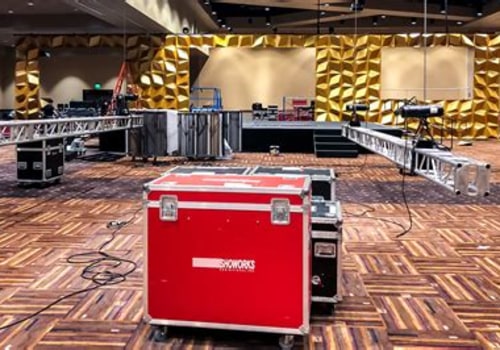
In today's fast-paced world, event hosting has evolved significantly, driven by advancements in technology. Gone are the days when organizing an event meant relying solely on traditional methods such as printed invitations and physical venues. The rise of digital platforms has transformed how events are planned, executed, and experienced, making it essential for hosts to adapt to these changes. Technology plays a pivotal role in enhancing the event hosting experience, offering tools that streamline processes and improve engagement. From virtual conferences to hybrid events that blend in-person and online participation, the digital landscape has opened up new avenues for reaching wider audiences.
This shift not only allows for greater accessibility but also enables hosts to leverage data analytics for better decision-making and personalized experiences. As we delve deeper into the impact of technology on event hosting, it becomes clear that embracing these innovations is no longer optional but a necessity. Understanding how to effectively integrate technology into event planning can lead to more successful outcomes, increased attendee satisfaction, and ultimately, a more memorable experience for all involved. Join us as we explore the various facets of digital event hosting and uncover the transformative power of technology in this dynamic field.
The Evolution of Event Hosting Technology
The landscape of event hosting has undergone a remarkable transformation over the decades, driven by advancements in technology. From the early days of simple gatherings to today's sophisticated virtual and hybrid events, the evolution of event technology has played a pivotal role in shaping how events are planned, executed, and experienced.Historical Milestones in Event Hosting Technology
- Early Communication Tools: In the past, event organizers relied on basic communication methods such as flyers, word-of-mouth, and postal invitations.
These methods were time-consuming and limited in reach.
- The Advent of Audio-Visual Equipment: The introduction of audio-visual technology in the mid-20th century revolutionized events. Microphones, projectors, and sound systems allowed for larger audiences and more engaging presentations.
- The Internet Era: The rise of the internet in the 1990s marked a significant turning point. Event websites became essential for promotion, registration, and information dissemination, making it easier for attendees to connect with organizers.
- Event Management Software: The 2000s saw the emergence of specialized software designed to streamline event planning. Tools for ticketing, scheduling, and attendee management enhanced efficiency and improved the overall experience.
- Social Media Integration: With the explosion of social media platforms, event hosting evolved to include real-time engagement.
Organizers began leveraging platforms like Facebook and Twitter to promote events and interact with attendees before, during, and after.
- The Rise of Virtual Events: The COVID-19 pandemic accelerated the adoption of virtual event technology. Platforms like Zoom and Microsoft Teams became household names as they enabled remote participation, allowing events to continue despite physical restrictions.
The Future of Event Hosting Technology
As we look ahead, the integration of emerging technologies such as artificial intelligence (AI), augmented reality (AR), and virtual reality (VR) promises to further enhance the event hosting experience. These innovations will not only improve engagement but also provide personalized experiences tailored to individual attendee preferences.In conclusion, the evolution of event hosting technology reflects a continuous quest for improvement and innovation. Each milestone has contributed to creating more dynamic, accessible, and engaging events that cater to diverse audiences around the globe.
Types of Technology Used in Event Hosting
In the realm of event hosting, technology plays a pivotal role in enhancing the overall experience for both organizers and attendees.Various types of technology are employed to streamline processes, improve engagement, and ensure successful events.
- Event Management Software: This type of software is essential for planning and executing events efficiently. It allows organizers to manage registrations, track attendee data, and handle logistics seamlessly. Popular platforms like Cvent and Eventbrite offer comprehensive solutions that include ticketing, scheduling, and reporting features.
- Virtual Event Platforms: With the rise of remote participation, virtual event platforms have become crucial. These platforms, such as Zoom, Hopin, and Webex, facilitate online conferences, webinars, and hybrid events.
They provide tools for live streaming, breakout sessions, and audience interaction through polls and Q&A features.
- Mobile Apps: Custom mobile applications enhance attendee engagement by providing real-time updates, networking opportunities, and interactive event agendas. Apps like Whova and Attendify allow participants to connect with each other, access event materials, and receive notifications about schedule changes or important announcements.
Enhancing Attendee Experience Through Technology
In the realm of event hosting, technology plays a pivotal role in enhancing the overall attendee experience. By integrating various digital tools and platforms, event organizers can create a more engaging and interactive environment that resonates with participants.Engagement Tools
One of the most significant advancements in audience engagement is the use of mobile applications tailored for events.These apps allow attendees to:
- Access schedules and speaker information in real-time.
- Network with other participants through built-in messaging features.
- Participate in live polls and Q&A sessions, fostering a sense of involvement.
Interactive Features
Another way technology enhances the attendee experience is through interactive features like virtual reality (VR) and augmented reality (AR). These technologies can:- Create immersive experiences that transport attendees to different environments.
- Provide interactive product demonstrations that engage multiple senses.
- Facilitate gamification elements, where attendees can earn rewards for participation.
Personalized Experiences
Furthermore, technology enables event hosts to offer personalized experiences. By utilizing data analytics, organizers can:- Tailor content based on attendee preferences and behaviors.
- Send personalized notifications about sessions or activities that align with individual interests.
- Create customized agendas that enhance the relevance of the event for each participant.
The Role of Social Media in Event Hosting
In today's digital age, social media has become an indispensable tool for event hosting.It not only facilitates the promotion of events but also enhances attendee engagement and interaction before, during, and after the event.
Social Media Event Promotion
- Wider Reach: Platforms like Facebook, Instagram, and Twitter allow event organizers to reach a larger audience beyond their immediate network. By creating event pages and utilizing targeted ads, hosts can attract potential attendees who may not have been aware of the event otherwise.
- Cost-Effective Marketing: Compared to traditional marketing methods, social media offers a more affordable way to promote events. With organic posts and paid advertisements, organizers can tailor their marketing strategies to fit their budget.
- Real-Time Updates: Social media enables organizers to share real-time updates about the event, such as schedule changes or special announcements, ensuring that attendees are always informed.
Leveraging Social Media for Event Engagement
- Interactive Content: Engaging content such as polls, quizzes, and live Q&A sessions can be shared on social media to create buzz around the event. This not only increases interest but also encourages potential attendees to participate.
- User-Generated Content: Encouraging attendees to share their experiences on social media using specific hashtags can create a sense of community.
This user-generated content serves as authentic promotion and can attract more participants in future events.
- Post-Event Engagement: After the event, social media remains a valuable platform for sharing highlights, photos, and videos. This keeps the conversation going and helps maintain relationships with attendees for future events.
Data Analytics and Event Hosting Success
In the realm of event hosting, the integration of data analytics has revolutionized how organizers measure success and plan future events. By leveraging advanced analytics tools, event planners can gather and interpret vast amounts of data, leading to more informed decision-making.Data analytics in events
encompasses various metrics, including attendee engagement, ticket sales, and social media interactions.For instance, tracking registration data allows organizers to identify trends in attendee demographics and preferences. This information is crucial for tailoring marketing strategies and enhancing the overall event experience.
Measuring Event Success with Data
To effectively measure event success, planners often rely on key performance indicators (KPIs). These KPIs can include:- Attendance Rates: Comparing expected versus actual attendance helps gauge interest and effectiveness of promotional efforts.
- Engagement Levels: Analyzing participant interactions during the event, such as session attendance and networking activities, provides insights into what resonates with attendees.
- Feedback Scores: Post-event surveys can yield valuable qualitative data that highlights strengths and areas for improvement.
For example, if a particular session is under-attended, organizers can promote it through push notifications to boost participation.Furthermore, analyzing data from previous events can inform future planning. By identifying patterns in attendee behavior and preferences, organizers can create more engaging experiences that cater to their audience's needs. This data-driven approach not only improves the quality of events but also maximizes return on investment (ROI) for stakeholders.In conclusion, the role of data analytics in event hosting cannot be overstated. It empowers organizers to make strategic decisions that enhance event success and foster long-term relationships with attendees.
Challenges and Considerations in Using Technology for Events
While technology has revolutionized event hosting, it also brings a set of challenges and risks that organizers must navigate to ensure a successful experience.Understanding these potential pitfalls is crucial for anyone looking to leverage technology in their events.
Challenges of Event Technology
One of the primary challenges is the complexity of technology. With numerous platforms and tools available, selecting the right technology can be overwhelming. Organizers must consider factors such as user-friendliness, integration capabilities, and scalability. Additionally, training staff and participants on how to use these technologies effectively can be time-consuming and may require additional resources.Risks in Digital Events
Security is another significant concern.Digital events are susceptible to cybersecurity threats, including data breaches and hacking attempts. Organizers must implement robust security measures to protect sensitive information and ensure a safe environment for attendees.Moreover, technical issues can arise unexpectedly during an event, leading to disruptions that can affect the overall experience. From internet connectivity problems to software malfunctions, these issues can hinder engagement and frustrate participants.
Considerations for Tech in Events
When incorporating technology into event hosting, it’s essential to consider the audience's technological proficiency. Not all attendees may be comfortable with advanced tech tools, which could alienate some participants.Offering support and clear instructions can help mitigate this issue.Finally, budget constraints often limit the extent to which technology can be utilized. Organizers need to balance their technological aspirations with financial realities, ensuring that investments in tech enhance rather than detract from the event experience.In conclusion, while technology offers numerous benefits for event hosting, it is vital to approach its implementation with a clear understanding of the associated challenges and risks. By addressing these considerations proactively, organizers can create more engaging and secure events.
Future Trends in Event Hosting Technology
As we look towards the future, the landscape of event hosting is poised for significant transformation driven by technological advancements. The year 2024 is expected to usher in a range of innovative trends that will redefine how events are planned, executed, and experienced.Integration of Artificial Intelligence
One of the most promising trends is the integration of artificial intelligence (AI) into event management systems.AI can streamline various processes, from personalized attendee experiences to predictive analytics for better decision-making. For instance, AI-driven chatbots can provide real-time assistance to attendees, answering queries and enhancing engagement.
Virtual and Augmented Reality
Virtual reality (VR) and augmented reality (AR) technologies are set to revolutionize event hosting by creating immersive experiences. These technologies allow attendees to participate in events from anywhere in the world, breaking geographical barriers. In 2024, we can expect more events to incorporate VR and AR elements, offering interactive sessions that engage participants like never before.Sustainability through Technology
With a growing emphasis on sustainability, technology will play a crucial role in making events more eco-friendly.Innovations such as smart event platforms can help organizers track their carbon footprint and implement sustainable practices. For example, digital ticketing reduces paper waste, while energy-efficient lighting and sound systems minimize environmental impact.
Data-Driven Insights
The future of event hosting will also see an increased reliance on data analytics. Organizers will leverage data to gain insights into attendee behavior, preferences, and engagement levels. This information will enable them to tailor future events more effectively, ensuring higher satisfaction rates and improved ROI.Blockchain for Security and Transparency
Blockchain technology is emerging as a solution for enhancing security and transparency in event ticketing.By utilizing blockchain, organizers can prevent ticket fraud and ensure that transactions are secure and traceable. This technology not only builds trust with attendees but also streamlines the ticketing process.In conclusion, the future of event hosting technology is bright, with numerous trends set to enhance the overall experience for both organizers and attendees. As we move into 2024, embracing these innovations will be essential for staying competitive in the ever-evolving events landscape.
Conclusion: The Transformative Power of Technology in Event Hosting
In conclusion, the role of technology in event hosting cannot be overstated. As we have explored throughout this article, technology serves as a catalyst for innovation, enhancing the overall experience for both organizers and attendees. From the initial planning stages to post-event analysis, technology streamlines processes and improves efficiency.For instance, event management software simplifies registration and ticketing, allowing organizers to focus on creating memorable experiences rather than getting bogged down in logistics. Moreover, the integration of virtual and hybrid events has revolutionized how we connect with audiences. By leveraging platforms that facilitate live streaming and interactive features, event hosts can reach a global audience, breaking geographical barriers and increasing participation. Additionally, data analytics tools provide invaluable insights into attendee behavior and preferences. This information enables organizers to tailor future events to better meet the needs of their audience, ultimately driving engagement and satisfaction. As we look to the future, it is clear that embracing technological advancements will be essential for successful event hosting. The ability to adapt to new tools and trends will not only enhance the attendee experience but also ensure that events remain relevant in an ever-evolving landscape. In summary, technology is not just an accessory in event hosting; it is a fundamental component that shapes how events are conceived, executed, and experienced.
By harnessing its power, event organizers can create impactful experiences that resonate with audiences long after the event concludes.